Site Gamificationsummit Method Ticket Sales – A Smart Approach to Boosting Event Revenue
site gamificationsummit method ticket sales has emerged as a defining phrase within the evolving digital events industry, reflecting the shift toward innovative strategies that enhance audience engagement and boost ticketing performance. As virtual and hybrid events continue to dominate global markets, the techniques used to attract attendees have become increasingly sophisticated. The integration of gamification, data-driven systems, and interactive audience experiences has reshaped how event organizers capture attention, build excitement, and ultimately increase conversions. This evolution is not a temporary trend; it represents a long-term transformation in how digital audiences behave and how brands must adapt to communicate effectively. eurogamersonline
Over the last decade, digital platforms have redefined how event attendees discover, evaluate, and purchase tickets. Traditional marketing campaigns—once centered on email blasts, posters, and word-of-mouth promotions—are now complemented by advanced digital tactics specifically designed to appeal to modern, tech-savvy audiences. The rise of interactive technologies, personalized recommendations, and behavioral analytics has elevated expectations for event discovery experiences. Today’s attendees want more than information; they want engagement, rewards, and a sense of belonging that motivates them to participate actively. To meet these expectations, modern organizers are increasingly turning toward gamification-driven solutions that integrate entertainment with strategy.
Understanding the New Generation of Event Attendees
The growth of virtual communities has websites for ticket sale gamificationsummit played a major role in shaping the mindset of today’s event attendees. They are more informed, more connected, and more selective than ever before. They prefer experiences that feel personalized and relevant—experiences that reward their attention and participation. As a result, event organizers must understand their audience not just demographically, but behaviorally. This includes tracking how users navigate event pages, what types of content they interact with, which incentives influence their purchasing decisions, and how their engagement changes over time.
site gamificationsummit method ticket sales is especially powerful when used to decode these behavioral patterns. Modern audiences respond strongly to experiences that combine entertainment with utility. Whether it is earning points, unlocking badges, entering exclusive draws, or participating in challenges, these elements stimulate emotional responses that strengthen interest and drive action. By understanding how these mechanics influence attendee choices, organizers can design more effective promotional campaigns that resonate with diverse user groups. This behavioral understanding also helps refine pricing strategies, content structure, and communications to ensure every touchpoint enhances the attendee journey. zaqrutcadty
The Shift From Standard Marketing to Engagement-Driven Strategies
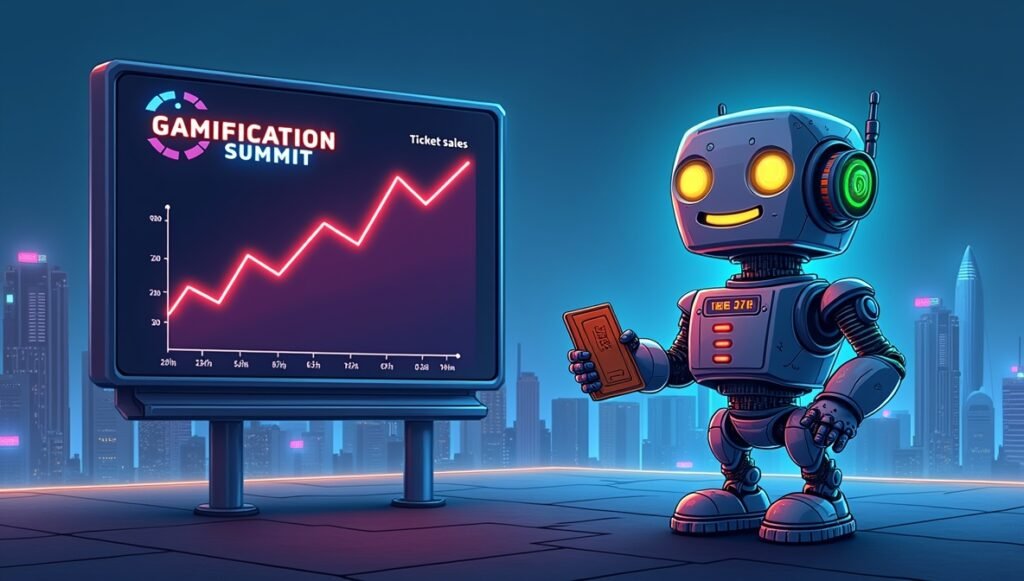
Traditional marketing strategies often fail to capture the attention of modern audiences because they focus on information rather than experience. Today’s event attendees want involvement, not passive consumption. This is where engagement-driven marketing plays a crucial role. Instead of simply promoting events with static ads, organizers now incorporate interactive layers that keep potential attendees involved throughout the ticketing journey. uploadblog
Gamification acts as the bridge between initial discovery and final purchase. It introduces elements that appeal to human psychology—competition, achievement, curiosity, and reward. site gamificationsummit method ticket sales becomes a mechanism that transforms passive audiences into active participants. This shift signals a deeper understanding of how attention works in an era of digital overload. Engagement-driven strategies make marketing memorable, which increases the chances that users will not only attend the event but also share their excitement with others. This organic spread is powerful for ticket sales growth. heartomenal, feedworldtech, shopnaclo, thelaptopadviser, DowsStrike2045, thelowdownunder, ustudiobytes, Mozillod5.2f5, nothing2hide.
Gamification as a Core Element in Modern Ticketing
Gamification is no longer an optional add-on; it has become a core element in modern ticketing systems. The concept involves using game-like mechanics to motivate users to complete certain actions that lead to higher engagement and conversions. These actions might include signing up early, referring friends, participating in event-related challenges, completing interactive surveys, or sharing promotional materials on social media. beaconsoft
At the beginning of many campaigns, site gamificationsummit method ticket sales functions as the anchor strategy that guides the development of fun, interactive experiences. Users who feel rewarded for their participation are more likely to finalize their ticket purchases and return for future events. The psychological triggers behind gamification—achievement, reward, and status—align perfectly with the motivations of modern digital audiences. When users feel like they are “winning” through small accomplishments, they are much more inclined to invest emotionally and financially in the event.
Enhancing User Experience Through Personalization
One of the most significant advantages of digital ticketing systems is the ability to personalize user experiences at scale. Personalization involves tailoring content, recommendations, and incentives based on user behavior, interests, and previous interactions. Through advanced analytics and user tracking, event platforms can now determine what types of experiences resonate most with individual users. cilfqtacmitd
Midway through the user journey, site gamificationsummit method ticket sales can be integrated into personalization strategies by adjusting challenges or reward structures according to each user’s engagement level. For instance, highly active users may receive exclusive rewards, while less engaged users might be offered simplified tasks to encourage participation. Personalization not only improves user satisfaction but also increases ticket conversion rates by removing friction and making each user’s journey feel unique and meaningful.
Building Anticipation Through Interactive Event Campaigns
A key factor in successful ticket sales is the ability to generate excitement before the event even begins. Anticipation is a powerful motivator, and when combined with gamification, it becomes even more effective. Interactive campaigns—such as countdown challenges, pre-event missions, referral competitions, and unlockable content—build a sense of momentum and urgency.
By incorporating interactive storytelling, organizers can create a narrative that draws users deeper into the event experience. That narrative might involve a journey, a competition, or a series of milestone achievements. When users feel emotionally invested in the process, they are more likely to share the event with their networks. This shared anticipation contributes to viral growth, expanding reach far beyond standard marketing efforts. Gamified anticipation also increases user retention, ensuring that attendees remain connected to the campaign throughout its duration. uploadblog
The Role of Social Sharing and Community Influence
Social media platforms amplify the effects of gamification by enabling users to share achievements, compete with friends, or collaborate within communities. Peer influence is a powerful factor in ticket sales, as people often rely on recommendations and shared enthusiasm when deciding whether to attend an event.
Social sharing adds layers of visibility and credibility to event promotions. When users showcase their badges, rewards, or progress, they indirectly promote the event in a way that feels natural and authentic. This type of user-generated promotion is more impactful than traditional advertising because it is rooted in genuine participation.
The effectiveness of these community dynamics is strengthened when platforms integrate mechanics that encourage sharing at strategic points of the user journey. Whether it’s unlocking a new challenge or earning a limited-time reward, socially shareable moments fuel organic interest and expand the event’s reach across networks.
Increasing Ticket Conversion Through Incentives
Incentives are central to increasing ticket sales, and when implemented correctly, they can dramatically improve conversion rates. Incentives include discounts, early-bird offers, exclusive content access, loyalty points, or VIP privileges. Gamified incentives add an additional dimension by making rewards feel earned rather than given. This distinction matters because users value rewards more when they feel they have accomplished something to receive them.
The mid-campaign effectiveness of site gamificationsummit method ticket sales often hinges on compelling incentives aligned with user motivations. Time-sensitive rewards, leaderboard placements, or achievement milestones can push users toward completing their ticket purchases. Strategic placement of incentives at key decision-making moments helps overcome hesitation and boosts the likelihood of conversion.
Data-Driven Optimization for Ticket Sales
Data analytics plays an essential role in refining ticket sales strategies. Platforms can track user engagement metrics, conversion trends, challenge completion rates, social sharing patterns, and other behavioral indicators. This data allows organizers to make informed adjustments throughout the campaign.
Predictive analytics can identify which users are most likely to convert, enabling platforms to tailor incentives and interactions accordingly. Continuous testing and optimization ensure that the gamified elements remain effective throughout the promotion period. Data also helps identify friction points, such as confusing navigation or unclear challenges, allowing rapid correction to maintain user momentum.
The integration of analytics and gamification ensures that campaigns remain dynamic, adaptive, and user-centered. This analytical approach contributes significantly to maximizing revenue and achieving long-term engagement objectives.
Creating Long-Term Loyalty Through Gamified Experiences
While ticket sales are a primary goal, long-term loyalty is equally valuable. Gamification cultivates loyalty by creating memorable and enjoyable experiences that users associate with the event brand. Users who feel engaged and rewarded are more likely to return for future events, recommend the platform to others, and participate in additional activities.
Loyalty programs enhanced with gamification keep audiences connected even after events have ended. These programs may include ongoing challenges, reward tiers, and community interactions designed to maintain interest over time. Long-term loyalty not only increases repeat ticket sales but also strengthens the overall brand identity in competitive markets.
Expanding Opportunities Through Hybrid and Virtual Events
The rapid rise of hybrid and virtual events has created new opportunities for gamification. Virtual platforms allow for more flexibility in implementing interactive mechanics because they can integrate seamlessly with digital interfaces. Whether it is virtual scavenger hunts, interactive booths, live challenges, or rewards for session participation, gamification enhances the virtual experience and keeps attendees engaged throughout the event.
Virtual environments also provide more precise data tracking, enabling organizers to measure engagement at granular levels and refine their strategies in real time. These hybrid models give organizers the ability to cater to both in-person and online audiences, expanding reach and maximizing revenue potential.
The Future of Gamified Event Marketing
The future of event marketing will be shaped heavily by advancements in gamification technologies. Artificial intelligence, immersive virtual experiences, and personalized interactive systems will play an increasingly central role. As user expectations continue to evolve, event organizers must innovate continuously to maintain relevance and competitiveness.
site gamificationsummit method ticket sales demonstrates the powerful combination of interactivity, engagement, and technology. The next generation of ticketing systems will likely include deeper personalization, real-time adaptive challenges, and seamless social integration. Event marketing will continue shifting from information delivery to experience creation, ensuring that users remain active participants in every stage of the journey.
Conclusion
The landscape of digital event marketing has evolved dramatically, driven by new technologies and shifting audience expectations. Gamification now plays an essential role in attracting attention, encouraging participation, and improving ticket sales. Through personalized experiences, interactive campaigns, and data-driven optimization, event organizers can connect with audiences in meaningful ways. Modern strategies must prioritize engagement and interactivity to remain effective in an increasingly competitive environment.
site gamificationsummit method ticket sales represents a powerful fusion of psychology, technology, and marketing innovation. By embracing gamification as a core strategy, event organizers can not only boost ticket sales but also cultivate long-term loyalty, build vibrant communities, and transform the overall event experience. As digital engagement continues to rise, those who adapt and innovate will define the future of ticketing success.